Entry · Ref IDADRODW
Why CBD for Inflammation Works: A Practical Guide for Natural Relief
- Posted
- 2026-10-11
- Last amended
- 2026-10-11
- Account
- @mycbdinflammationmedia
Understanding Inflammation and the Role of CBD
Inflammation is the body's natural response to injury or illness. When you twist an ankle or catch a cold, your immune system sends signals that cause swelling, redness, and heat. This is good in the short term. But chronic inflammation is something else entirely. It can linger for months or years, contributing to conditions like arthritis, neuropathic pain, and even heart disease. Over time, the constant activation of inflammatory pathways wears down your tissues and your energy.
For many people, reaching for over-the-counter pain relievers becomes a daily habit. Those drugs can work, but they often come with side effects like stomach irritation or liver strain. That is where plant-based options enter the picture. I have spent years studying how cannabinoids interact with the human body, and I can tell you that the science behind cbd for inflammation is genuinely compelling. It is not a cure-all, but for everyday aches and chronic discomfort, it offers a gentler path.
How CBD Interacts with Your Body's Systems
To understand why CBD helps with inflammation, you need to know about the endocannabinoid system. This is a network of receptors and signaling molecules that your body uses to maintain balance. When something goes wrong, your endocannabinoid system steps in to regulate pain, mood, and immune responses. CBD, or cannabidiol, is a phytocannabinoid that influences this system without making you feel high. It binds indirectly to CB1 receptors and CB2 receptors, which are found throughout the body. CB1 receptors are mostly in the brain and central nervous system, while CB2 receptors are more common on immune cells. By modulating these receptors, CBD can reduce the production of inflammatory cytokines and encourage a return to homeostasis.
One of the most interesting details is that CBD also interacts with NMDA receptors. These are involved in pain signaling, especially in cases of neuropathic pain. When you have nerve damage, NMDA receptors can become overactive, creating a cycle of pain that is hard to break. CBD seems to dampen that activity. This is why many people with chronic back pain or fibromyalgia report that CBD oil helps them sleep better and move more freely. It is not a myth, it is pharmacology.

Full-Spectrum CBD vs. Isolates
Not all CBD products are the same. When you shop for relief, you will see terms like full-spectrum CBD and broad-spectrum or isolate. Full-spectrum means the extract contains all the cannabinoids, terpenes, flavonoids, and other compounds found in the hemp plant. This matters because of something called the entourage effect. The various molecules work together to amplify the anti-inflammatory benefits. For example, terpenes like beta-caryophyllene can bind directly to CB2 receptors, while flavonoids like quercetin have their own antioxidant properties. If you isolate only CBD, you lose that synergy.
I recommend full-spectrum products for inflammation. They give you more bang for your buck. The extraction method also makes a difference. CO2 extraction is one of the cleanest ways to pull the compounds from hemp. It uses pressurized carbon dioxide to separate the oils without leaving behind harsh solvents. The result is a pure, potent CBD oil that retains the plant's natural profile. Cheaper methods sometimes use ethanol or hydrocarbons, which can degrade the delicate terpenes. If you are buying from a shop like KushStation, you can ask about their extraction process. A good supplier will be transparent about it.
Practical Forms: Vape Pens, Balms, Edibles, and Bath Bombs
CBD comes in many forms, and each one suits different needs. For quick relief, vape pens are hard to beat. When you inhale vaporized CBD oil, it enters your bloodstream through the lungs. You feel the effects in minutes. This is useful for acute pain or anxiety spikes. On the other hand, CBD edibles like gummies or chocolates take longer to kick in, but they last longer. They pass through the digestive system and liver before reaching the bloodstream. That delay means the effects are more gradual and steady. For someone with chronic arthritis, a daily edible can provide a consistent baseline of relief.
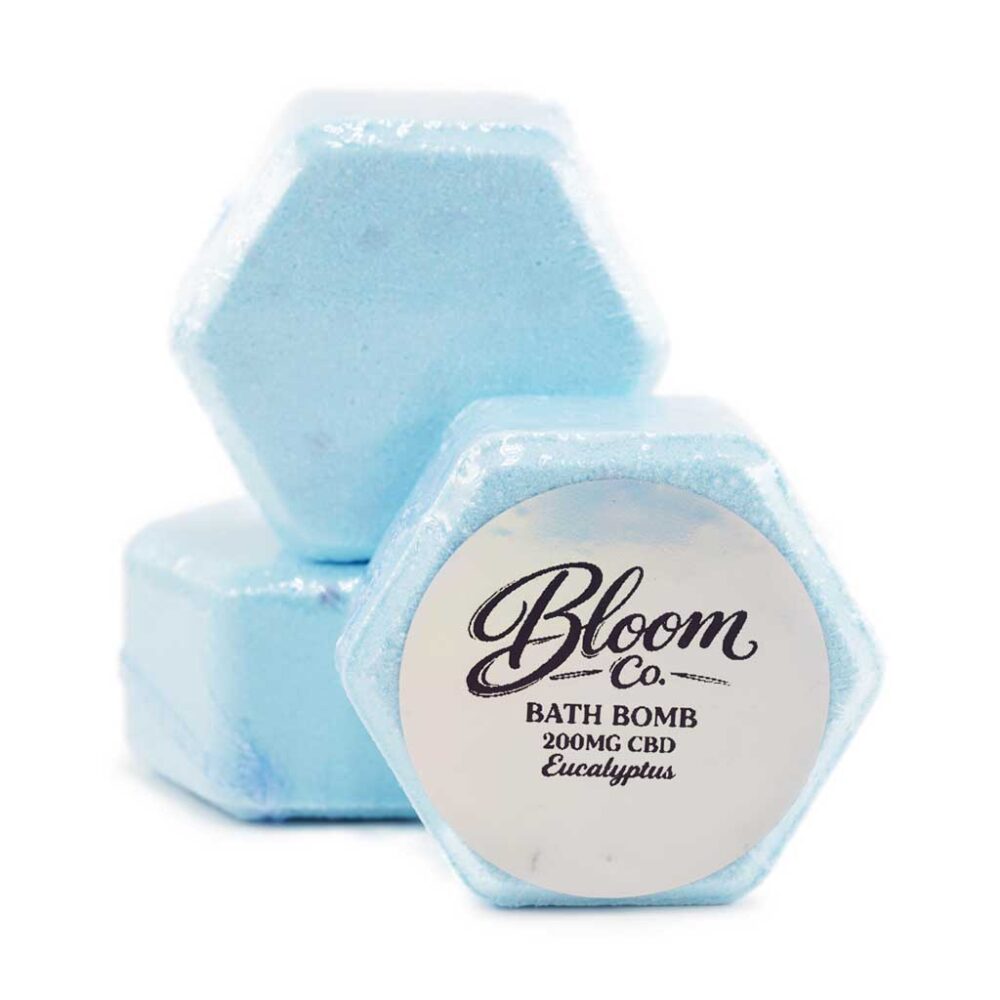
Then there are topical products. CBD balms are designed for localized application. If your knee hurts, you rub the balm directly on the joint. The CBD penetrates the skin and interacts with nearby CB2 receptors and immune cells. This is excellent for inflammation that is concentrated in one area, like a swollen wrist or a stiff shoulder. I have also seen people use CBD bath bombs for full-body relaxation. The warm water helps open pores, and the CBD absorbs through the skin while you soak. It is a slower method, but it is great for winding down after a long day. KushStation carries all these forms, so you can experiment and see what works for your body.
What the Research Says
Clinical trial data on CBD is still growing, but the results so far are promising. A 2018 study published in Frontiers in Immunology showed that CBD significantly reduced joint swelling in animal models of arthritis. Human studies have followed. In one trial, patients with chronic pain who used CBD oil for four weeks reported lower pain scores and better sleep quality. Another study focused on neuropathic pain and found that CBD cream reduced pain intensity by about 30 percent compared to placebo. That is not a miracle, but it is a meaningful improvement for people who have tried everything else.
Researchers are also looking at how CBD affects the gut. Inflammation often starts in the digestive tract. When the gut lining becomes leaky, inflammatory particles enter the bloodstream and trigger whole-body inflammation. CBD may help tighten the gut barrier and reduce that spillover. This is still early-stage research, but it aligns with what many users report: less bloating, fewer headaches, and an overall sense of calm.
Finding the Right Dose and Product
Dosing CBD is not one-size-fits-all. Your weight, metabolism, and the severity of your inflammation all play a role. A good starting point is 20 to 40 milligrams per day for mild discomfort. If you have serious arthritis or neuropathic pain, you might need 50 to 100 milligrams. Start low and go slow. Give your body a week to adjust before increasing the dose. Keep a journal of how you feel. Note the time you take it, the form you use, and your pain level an hour later. This helps you dial in the sweet spot.
When you buy CBD, look for third-party lab results. A reputable brand like KushStation will have certificates of analysis on hand. These reports show the exact amount of CBD and other cannabinoids in the product, and they confirm that the THC level is below 0.3 percent, which is the legal limit for hemp-derived products. Avoid anything that makes wild claims like "cures all inflammation" or "100 percent relief." No single compound can do that. CBD is a tool, not a magic wand. Use it alongside good sleep, a balanced diet, and regular movement.
Putting It All Together
Living with inflammation is exhausting. Your body is in a constant low-grade fight, and it takes a toll on your mood, your sleep, and your ability to do the things you love. CBD for inflammation is not a replacement for medical care, but it is a safe, accessible option that many people find genuinely helpful. Whether you choose vape pens for quick relief, CBD balms for targeted spots, or CBD edibles for lasting support, the key is consistency. Your endocannabinoid system responds best to regular input. Take it daily for at least two weeks before judging the results.
I have seen friends and clients transform their daily experience with this approach. One woman with rheumatoid arthritis went from barely able to grip a coffee cup to gardening again after three months of using full-spectrum CBD oil. Another man with chronic sciatica found that a combination of a CBD balm and a nightly edible let him reduce his ibuprofen use by half. These are real outcomes. They are not outliers. They are what happens when you give your body the right tools to calm down.
If you are curious, start with a single product. Try a CBD balm for your most painful joint, or a vape pen for when the ache gets bad. Pay attention to how your body responds. The goal is not to eliminate all discomfort, it is to reduce the inflammation so your body can heal itself. That is the real promise of CBD for inflammation: not a cure, but the support your systems need to do their job.